Spice up savings: 20% off!


Start with a Roux: The Heart of Every Great Gumbo
Directions and tips for making the perfect Gumbo
2/23/20268 min read
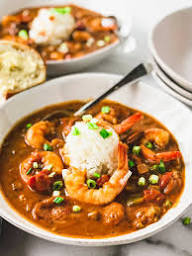
Understanding the Roux: The Foundation of Flavour
A roux is a culinary mixture that serves as the base for many classic dishes, most notably gumbo. Traditionally, a roux consists of two essential ingredients: flour and fat, which can be in the form of oil, butter, or lard. The cooking process entails combining these ingredients and heating them until the flour achieves a specific color and aroma, thereby creating the core foundation for flavor and texture in the dish.
In the context of gumbo, the significance of the roux cannot be overstated. It not only enriches the flavor profile but also provides the necessary thickness to the dish, functioning as a superb thickening agent. The way the roux is prepared can dramatically influence the overall taste; thus, one must give careful attention to the cooking time and temperature. A lighter roux, which is cooked just until it begins to brown, can impart a subtle nutty flavor, enhancing the other ingredients without overpowering them. Conversely, a darker roux, cooked until it reaches a deep brown color, can bring about a rich, almost smoky flavor that serves as the backbone for a hearty gumbo.
Furthermore, the type of roux used is pivotal in determining the character of the final dish. Chefs often experiment with varying degrees of cooking time to achieve the perfect roux, balancing the line between achieving a desirable texture and flavor without risking burning the flour. This foundational element of gumbo also reflects the chef's proficiency, as mastering the roux requires patience and meticulous attention to detail. Adequately prepared, the roux elevates gumbo from a simple stew to a culinary hallmark of Southern cuisine, embodying the art of cooking and tradition.
The Art of Making a Roux: Techniques and Tips
A roux is a mixture of fat and flour that serves as the foundational thickening agent for gumbo and many other dishes. The key to a successful roux lies in achieving the right balance between flour and fat, as well as mastering the cooking process. Typically, a standard ratio used is one part flour to one part fat, for example, one cup of flour to one cup of oil or butter.
To start, choose your fat wisely. Traditional gumbo recipes usually incorporate vegetable oil, but butter, lard, or bacon grease can offer additional flavor dimensions. Begin by heating the fat in a heavy-bottomed saucepan over medium heat. Once the fat is hot and shimmering, gradually add the flour while whisking continuously. This technique is essential to avoid lumps, ensuring a smooth roux.
The cooking process for roux requires patience. While the blend of flour and fat will initially remain a pale color, continue stirring until it reaches the desired shade, which can range from a light blonde to a rich chocolate brown. The darker the roux, the deeper the flavor; however, care must be taken to prevent burning. This can be managed by adjusting the heat as necessary and never leaving the roux unattended.
Timing is crucial when making a roux. Depending on the desired hue, cooking can take anywhere from 10 to 30 minutes. It is advisable to stir often, ensuring even cooking and preventing the mixture from settling at the bottom of the pan. If you notice any specks of burnt flour, it is best to discard the entire batch and start afresh. Using a wooden spoon or a whisk will allow for better control as you mix.
By following these techniques and tips, achieving a perfect roux becomes a rewarding endeavor. Experience and practice will help refine this skill, elevating your gumbo and providing a flavorful base that truly represents the heart of this beloved dish.
Understanding the Light Brown Roux
The light brown roux is a foundational element in the creation of many classic dishes, particularly in Cajun and Creole cuisines. Striking a balance between functionality and flavor, this roux is characterized by its subtle, nutty aroma and a smooth, velvety texture. To achieve a light brown roux, equal parts flour and fat are cooked slowly over medium heat, stirring frequently until it reaches a light tan color, typically requiring about 10 to 15 minutes of cooking time.
This particular type of roux is known for imparting a milder flavor compared to its darker counterparts, making it an ideal choice for those seeking a less intense background in their gumbo. The complex flavor profile introduced by a light brown roux serves to enhance the overall dish without overpowering the delicate tastes of the other ingredients. The nuttiness derived from the flour’s toasting process complements a variety of proteins and vegetables, making it versatile for both seafood and meat-based gumbos.
In addition to gumbo, a light brown roux can be successfully integrated into many dishes. It pairs wonderfully with lighter sauces, creamy soups, and gravies, where a discreet yet enriching depth of flavor is desired. A personal favorite recipe featuring a light brown roux is a classic chicken and sausage gumbo, where the roux brings an inviting warmth and depth, allowing the herbs and spices to shine.
Not only does a light brown roux enhance the flavor of my personal recipes, but culinary experts often recommend it as a foundational technique for learning how to create a balanced gumbo. By starting with a light brown roux, you allow your dish to develop a subtle complexity, providing a canvas on which to build additional layers of flavor.
Dark Brown Roux: Embracing Depth and Complexity
Dark brown roux is often regarded as the cornerstone of traditional gumbo, providing an unparalleled depth and complexity of flavor that elevates any dish. Achieving this rich, smoky base requires not only skill but also patience. The preparation process begins by slowly cooking equal parts of flour and fat until the mixture reaches a deep brown shade. Unlike lighter roux, which may achieve its color in mere minutes, a dark brown roux demands careful attention, typically taking up to 30 minutes or more. This slow cooking process allows the flour to caramelize fully, unlocking a spectrum of flavors that contribute to a rich gumbo.
The ideal fat for making dark brown roux varies depending on personal preference, with options such as vegetable oil, canola oil, or even a mix of butter and oil for additional flavor. Once the roux reaches the desired darkness, it is essential to cool it slightly before incorporating it into the gumbo base to avoid scorching the other ingredients. Properly made dark brown roux serves as a complex backdrop that complements a variety of proteins commonly used in gumbo, including chicken, sausage, and seafood. The smokiness and umami richness of the roux not only enhance these proteins but also elevate the overall flavor profile of the dish.
When using dark brown roux in gumbo recipes, it is important to balance its robust flavors with other components, such as herbs and spices. Pairing dark roux with the traditional Holy Trinity—onions, bell peppers, and celery—creates an aromatic foundation that works harmoniously with the roux's depth. The result is a comforting and savory dish that reflects the rich culinary heritage of gumbo. Through careful preparation and a thorough understanding of the significance of dark brown roux, one can master the art of creating a truly exceptional gumbo.
Introducing the Holy Trinity: The Essential Vegetables
In the realm of Cajun and Creole cooking, the term "Holy Trinity" refers to the foundational trio of vegetables essential for creating depth and flavor in dishes such as gumbo. The Holy Trinity consists of onions, celery, and bell peppers, each contributing unique aromatic qualities to the dish. The significance of these vegetables in gumbo cannot be overstated, as they are pivotal in enhancing the overall taste and complexity of the stew.
When preparing a gumbo, beginning with these aromatics during the roux process is crucial. Cooking the onions, celery, and bell peppers in the roux allows for the melding of flavors, creating a rich base for the dish. The gentle sautéing of each component releases their natural sugars, resulting in a pleasing caramelization that fortifies the gumbo’s flavor profile.
To prepare the Holy Trinity for incorporation into gumbo, it is essential to chop the vegetables uniformly to ensure even cooking. Start with medium-sized onions, slicing them thinly for a balanced contribution to the dish. Next, cut the celery stalks into small, consistent pieces; this will not only add crunch but also a subtle earthiness. Finally, bell peppers, usually green for authenticity, should be diced finely to blend seamlessly into the mix. This consistent sizing is imperative as it affects the cooking time, allowing all the vegetables to soften and integrate harmoniously.
Once sautéed with the roux, these vegetables can be further complemented by various spices and proteins, enriching the overall gumbo experience. The synergy created by the Holy Trinity forms the foundation upon which the entire gumbo rests, ensuring a robust and flavorful meal. Their contribution goes beyond mere seasoning; they are an indispensable part of what makes gumbo a beloved dish in Cajun cuisine.
Adding Seasoning: Enhancing Flavors Further
Once the holy trinity of vegetables—onions, bell peppers, and celery—is integrated into the roux, the next crucial step in crafting a remarkable gumbo involves the careful selection and application of spices. Seasoning not only elevates the dish's overall flavor profile but also creates a harmonious blend that complements the foundational ingredients. Cajun spices play a significant role in this flavor enhancement, as they infuse the gumbo with both heat and depth.
Commonly used Cajun spices include cayenne pepper, paprika, garlic powder, and dried thyme, each contributing unique notes to the gumbo. Cayenne pepper introduces a desirable heat, while paprika adds a touch of sweetness alongside its vibrant color. Garlic powder imparts a savory richness that deepens the dish’s character, while dried thyme introduces an aromatic quality that ties all the flavors together. When utilized in moderation, these ingredients ensure that the seasoning does not overwhelm but rather amplifies the natural essence of the roux and vegetables.
Balancing flavors is vital in achieving a well-rounded gumbo. It requires a delicate interplay where salt, heat, and aromatic elements coexist without overshadowing one another. Seasoning can be adjusted gradually, allowing the cook to taste and modify as needed throughout the cooking process. This iterative approach ensures that the spices are fully integrated, allowing their flavors to meld beautifully, contributing to a rich, complex culinary experience.
Incorporating other elements, such as bay leaves or a splash of hot sauce towards the end of cooking, can further enhance the gumbo's seasoning. This attention to detail demonstrates how thoughtful use of spices transforms a good gumbo into an extraordinary one that resonates with genuine Cajun heritage.
Patience Pays Off: Making Your Gumbo Unforgettable
Creating a remarkable gumbo is a culinary journey that demands both skill and patience. The heart of this beloved dish lies in the foundation of a proper roux, which sets the stage for the diverse flavors that will unfold throughout the cooking process. When preparing your gumbo, take the time to achieve the perfect roux, as this crucial step contributes to the overall depth and character of the dish.
As you gradually heat the oil and flour, allow the roux to develop a rich, dark brown color. This process may take time, but the rewards are immeasurable. A well-prepared roux not only enhances the taste but also gives your gumbo its signature depth and texture. Rushing this part could result in a bland or burnt flavor that tarnishes the dish's integrity.
In addition to perfecting the roux, the patience you exhibit when incorporating your ingredients plays a fundamental role as well. Whether it's sautéing the holy trinity—bell peppers, onions, and celery—or allowing the spices to bloom, these steps are vital for releasing the aromatic compounds that contribute to the gumbo's richness. Each ingredient has its distinctive flavor that melds together over time, creating a symphony of taste that defines an unforgettable gumbo experience.
Moreover, don't overlook the importance of simmering. Allowing your gumbo to cook gently over low heat enables the flavors to merge harmoniously, giving each component a chance to shine. The lingering richness that results from this patient simmering defines truly exceptional gumbo.
Ultimately, embracing patience as a core principle in your gumbo-making process transforms what could be a conventional dish into an unforgettable feast. Remember that great things take time, and when it comes to achieving culinary excellence in gumbo, patience will always pay off.
Registered Trademark of Tasty Cajun Shop Limited 2026
Contact
Newsletter
info@tastycajunshop.co.uk
07853 241236
© 2026. All rights reserved.